


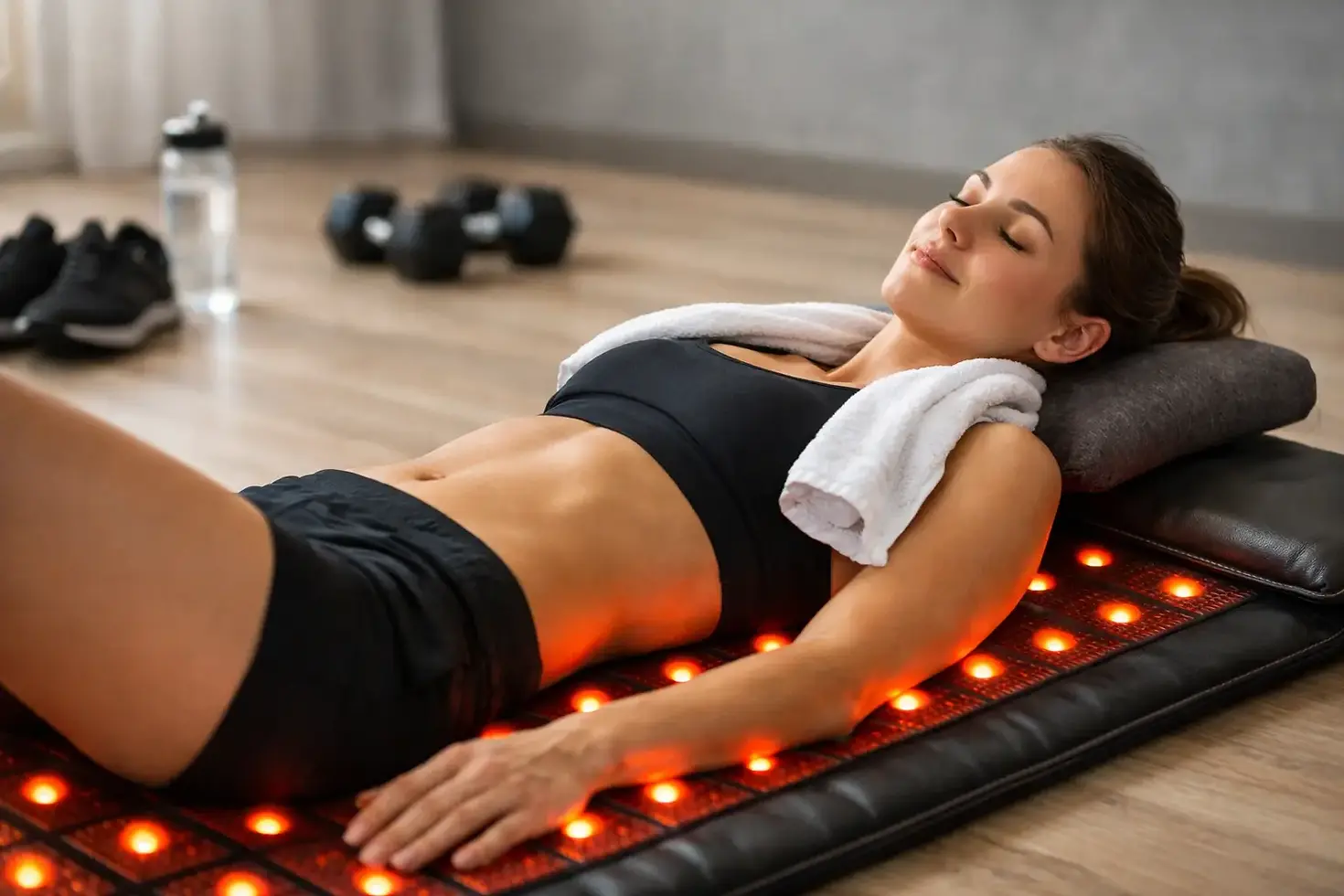
Using Infrared Mats After Exercise for Recovery
That heavy-legged feeling after a hard lift, long run, or weekend game can make even the walk to the shower feel like work. Using infrared mats after exercise gives you a dedicated window to slow down, apply soothing warmth, and shift from training mode into recovery mode without adding another complicated step to your routine.
For people who value natural wellness support, an infrared mat can be far more appealing than simply collapsing on the couch. It creates a warm, quiet space for relaxation while your body settles after activity. The goal is not to replace hydration, sleep, smart programming, or appropriate medical care. It is to make the restorative part of your routine easier to do consistently.
Why Use an Infrared Mat After Exercise?
Exercise creates a healthy demand on the body, but the aftermath can include temporary muscle soreness, stiffness, tension, and fatigue. A heated infrared mat offers gentle far infrared warmth that many users find deeply calming after physical activity. Rather than warming only the skin's surface like a basic heating pad, far infrared heat is designed to provide a more enveloping warming experience.
For some people, the biggest benefit is simple comfort. Lying down on a warm mat can help tight shoulders, hips, hamstrings, or lower back feel less guarded after a workout. For others, it becomes a transition ritual: 20 minutes away from screens, chores, and the urge to push through another task.
Premium crystal-based mats, such as the Richway Amethyst Infrared BioMat, also incorporate negative ion technology and natural crystals alongside far infrared heat. These features are valued by wellness-minded users who want more than an ordinary electric heating pad in their home recovery space.
It is worth keeping expectations grounded. An infrared mat may support relaxation and temporary relief of minor muscle aches and stiffness, but it does not repair a torn muscle, correct poor movement mechanics, or substitute for evaluation of a serious injury. Recovery works best when it is supported from several directions.
The Best Time for Using Infrared Mats After Exercise
You do not have to climb onto the mat the second your workout ends. In fact, many people get a better experience after they have cooled down, rehydrated, and allowed their breathing and heart rate to return closer to normal.
A practical approach is to use the mat within one to three hours after training. Have water first, eat a balanced meal or snack if needed, and change out of damp workout clothes. Then settle in for a relaxed session. This timing helps the mat feel like a recovery tool rather than another stressor added to an already demanding workout.
If you exercise late in the day, a lower-heat session can fit especially well before bed. The warmth may help you loosen up and mentally downshift after evening training. People who are sensitive to heat, however, may prefer an earlier session so they are not overly warm when it is time to sleep.
Start With a Moderate Session
More heat is not automatically better. Start at a comfortable, moderate setting for about 15 to 20 minutes, especially if you are new to infrared therapy or have just completed an intense workout. Pay attention to how you feel during and after the session.
If your body responds well, you may gradually extend a session to 30 or 40 minutes based on the mat's instructions and your personal comfort. A premium mat should be used according to its user guide, including recommended temperature ranges and session duration. Consistency at a tolerable setting is usually more valuable than pushing for a long, overly hot session.
When to Wait
Skip the heat for the moment if you feel dizzy, overheated, dehydrated, nauseated, or unusually exhausted after exercise. Rehydrate, cool down, and rest first. If you have a fresh injury with significant swelling, bruising, severe pain, or loss of function, do not assume heat is the answer. Seek guidance from a qualified health professional.
How to Build an Infrared Mat Recovery Routine
The most effective post-workout routine is one you will actually repeat. It does not need to be elaborate. Start by placing your infrared mat in a calm, accessible area where you can lie comfortably without interruption. A living room, bedroom, or dedicated wellness corner works well.
After training, drink water and complete a few minutes of easy movement or gentle stretching if that feels good. Then use the mat while you rest on your back or position it around the area that feels most tense, following the product's safe-use directions. Keep a glass of water nearby and avoid treating the session as a challenge to sweat as much as possible.
The final minutes matter. Instead of immediately standing up and rushing into the next obligation, give yourself a moment to cool down. Breathe slowly, sit up gradually, and notice whether your muscles feel more at ease. This small pause helps turn heat therapy into a sustainable recovery habit, not a one-time purchase that sits unused in a closet.
What Infrared Heat Can and Cannot Do
A quality infrared mat can be a valuable part of a home wellness plan because it offers comfort on demand. It may support relaxation, temporary relief of minor muscle and joint discomfort, stress reduction, and a more restful wind-down after physical exertion. These benefits can be meaningful for active adults, busy parents, recreational athletes, and anyone who feels the accumulated effects of training.
At the same time, heat is not a cure-all. Delayed onset muscle soreness may still show up after a new or demanding workout. You may still need a rest day, adequate protein and calories, mobility work, physical therapy, or changes to your training volume. If discomfort is sharp, persistent, worsening, or associated with swelling, numbness, weakness, chest pain, or shortness of breath, stop self-treating and seek medical attention.
This balanced view protects your investment. The best wellness equipment supports your daily choices rather than asking you to believe it can replace them.
Choosing the Right Mat for Post-Workout Use
Not all heated mats are built alike. A low-cost heating pad may provide surface warmth, but it may not offer the size, construction quality, temperature control, crystal technology, or long-term support that serious home wellness users expect. If recovery is one of your main reasons for purchasing, consider where and how often you will use the mat.
A full-size professional mat makes sense for people who want to lie down after strength training, cycling, golf, pickleball, or physically demanding work. It gives the body more room to relax and can become a shared household wellness tool. A smaller mat can be an excellent choice for targeted comfort, travel, smaller spaces, or focused use around the back, legs, and shoulders.
Also consider warranty coverage, repair availability, product education, and the ability to speak with a knowledgeable specialist before purchasing. Premium wellness equipment should come with guidance that helps you use it confidently for years, not just during the first week of enthusiasm.
Safety Considerations Before You Use Heat
Infrared mats are not appropriate for everyone. Talk with your healthcare provider before use if you are pregnant, have reduced heat sensitivity, a circulatory condition, active cancer, implanted medical devices, or a condition that affects your ability to sense temperature. Follow the manufacturer's warnings if you take medications that affect sweating, blood pressure, alertness, or heat tolerance.
Do not use a mat while sleeping, under the influence of alcohol or sedating substances, or when you cannot easily adjust the controls or get up. Never use it on broken skin unless your healthcare provider has specifically advised you to do so. Heat should feel soothing, never painful, burning, or overwhelming.
Your post-workout time is valuable. Give it the same intention you give your training: hydrate, rest, listen to your body, and let using infrared mats after exercise become a comforting ritual that supports the recovery lifestyle you are building.


Comments