


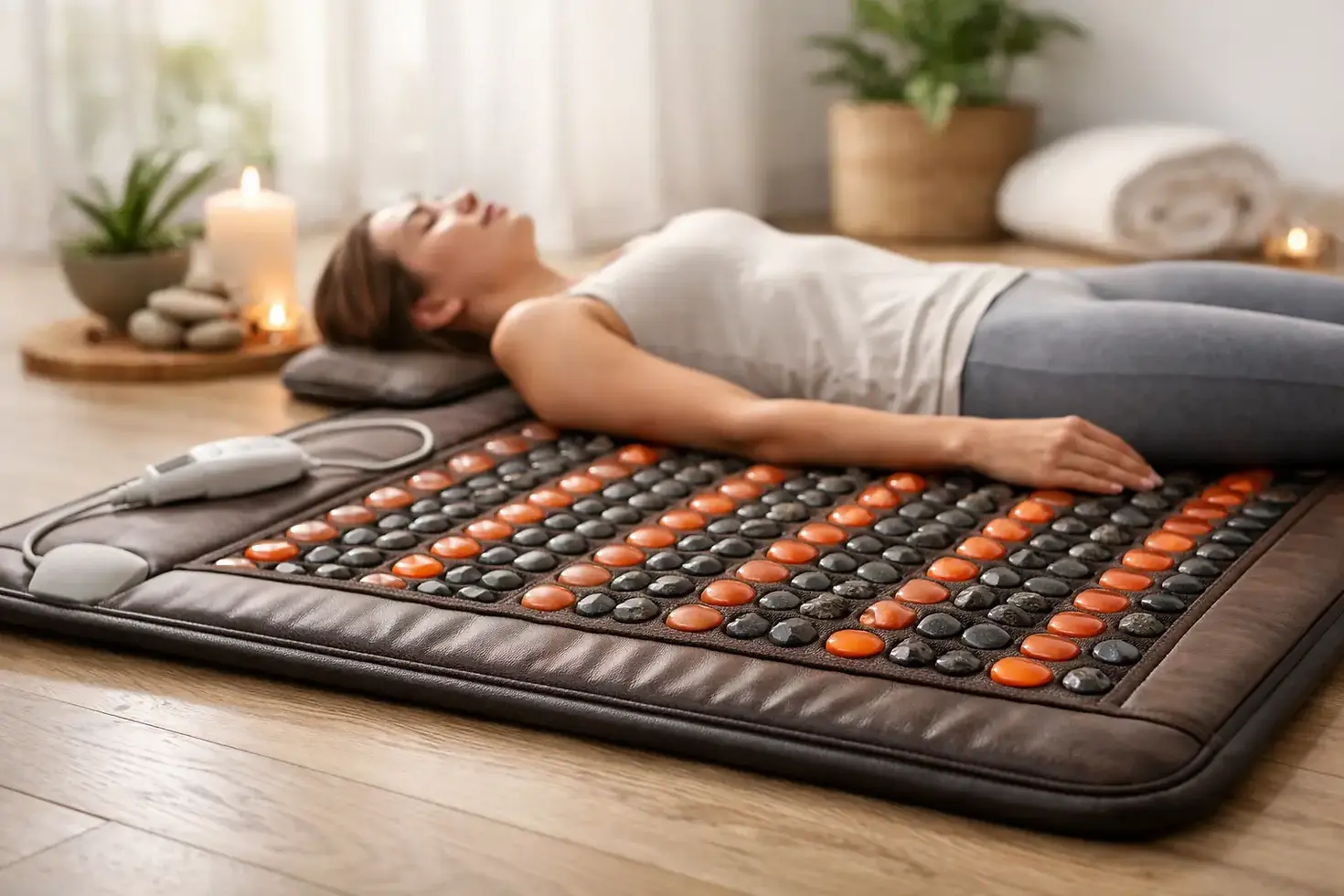
Best Infrared Mat for Pain Relief
When your back tightens up at the end of the day, or your hips and shoulders start complaining the moment you slow down, a standard heating pad often feels like a short-term patch. People searching for the best infrared mat for pain relief are usually looking for something more complete - deeper warmth, a more restorative experience, and a wellness tool they can actually build into daily life.
That search gets confusing fast because not every infrared mat is built to the same standard. Some are basically oversized heating pads with marketing language. Others are designed as premium therapeutic systems with far infrared heat, negative ions, and crystal-based layers intended to support relaxation, temporary pain relief, circulation, stress reduction, and better recovery at home. If you are investing in an infrared mat for real, everyday use, those differences matter.
What makes the best infrared mat for pain relief?
The best choice is not simply the hottest mat or the cheapest one with the most claims. For pain relief, what usually matters most is the quality of the far infrared heat, how evenly that heat is delivered, whether the materials feel supportive during longer sessions, and whether the mat fits the areas of the body you actually want to treat.
Far infrared heat is appealing because it is generally experienced as a deeper, gentler warmth than a surface-level heating pad. For people dealing with muscle tension, joint stiffness, post-workout soreness, stress-related tightness, or arthritis-related discomfort, that difference can be meaningful. You are not just trying to warm the skin. You are trying to create a more relaxing full-body environment that helps the body let go.
The crystal layer also deserves attention. Premium mats often use amethyst, and sometimes other therapeutic stones, as part of the heat delivery experience. That does not mean every crystal mat performs the same way. Stone quality, construction, temperature consistency, and the electronics behind the system all affect how the mat feels over time.
Why cheap mats often disappoint
Many buyers start with price, which is understandable. But pain relief tools are not always good places to cut corners. A low-cost mat may sound similar on paper, yet the actual experience can be underwhelming - uneven heat, thin padding, limited durability, weak controls, or materials that do not hold up under regular use.
That matters even more if you are buying for chronic tension, ongoing recovery support, or nightly relaxation before sleep. If a mat feels flimsy, overheats in spots, or becomes uncomfortable after twenty minutes, it is less likely to become part of your routine. And if it never becomes routine, it rarely delivers the value you hoped for.
A premium infrared mat should feel like a serious wellness tool, not an impulse gadget. It should support repeated use, offer dependable performance, and come from a specialist source that can answer questions about sizing, operation, warranty coverage, and long-term care.
How to compare infrared mats without getting lost
The easiest way to compare mats is to focus on five decision points.
First, consider size. A compact mat can work well for targeted support on the back, hips, legs, or shoulders. A full-size option makes more sense if you want a more immersive experience and tend to use heat for whole-body relaxation. If your pain moves around, or if stress and poor sleep are part of the picture, larger mats usually provide more flexibility.
Second, look at heat quality rather than just maximum temperature. High numbers do not always mean a better experience. What many people need is controlled, penetrating warmth that remains comfortable for longer sessions. Gentle consistency often beats aggressive heat.
Third, evaluate the build. Premium mats typically feel sturdier, more supportive, and better suited to frequent use. This can be especially important for adults managing daily aches, recovery needs, or stiffness that requires regular sessions.
Fourth, think about support after the sale. For a higher-ticket wellness product, product education, warranty coverage, and repair options are not side details. They are part of the purchase. A specialized retailer can make the difference between buying confidently and guessing your way through a major investment.
Fifth, be honest about how you will use it. If you want a portable option for occasional use, your ideal choice may be different from someone building a dedicated pain-relief routine at home. The best infrared mat for pain relief is the one that matches your body, your space, and your habits.
Full-body relief vs targeted relief
This is where many shoppers get stuck. A smaller mat costs less and can be easier to store, but a full-body mat often creates a more complete relaxation response. That matters because pain is not always isolated. Lower back discomfort can be connected to hamstring tightness. Shoulder tension can be tied to stress, posture, and poor sleep. A larger mat allows you to treat the bigger picture.
Targeted mats still have a place. They can be practical for travel, smaller homes, or buyers who know exactly where they need support. But if you are torn between sizes and planning to use your infrared mat regularly, many people end up appreciating the added comfort and versatility of a larger format.
The role of amethyst, negative ions, and far infrared heat
Wellness buyers are often drawn to infrared mats because they offer more than simple heat. In a premium system, far infrared heat is the main feature, while negative ions and amethyst help shape the overall experience.
Far infrared heat is commonly used to support relaxation, temporary pain relief, and a soothing sense of release in tired muscles and stiff joints. Amethyst adds to the premium therapeutic identity of the mat and is a major reason many shoppers choose a specialized product rather than a generic electric pad. Negative ions are often associated with a more restorative environment, which can be especially appealing for people who are not only seeking pain support, but also stress relief and better sleep.
That combination is one reason high-end mats appeal to people looking for natural wellness support instead of another device that ends up in a closet after a week.
Who benefits most from an infrared mat?
Infrared mats are especially appealing for adults managing recurring muscle soreness, stiffness after exercise, tension from long workdays, age-related joint discomfort, or the physical strain that builds from poor sleep and chronic stress. They are also popular with people recovering from workouts or injuries who want a gentle home wellness practice they can return to consistently.
That said, expectations matter. An infrared mat is not a magic fix, and it is not the same as medical treatment. For many households, the real value is in creating a dependable ritual - twenty to forty minutes of therapeutic warmth that helps the body settle, the mind slow down, and pain feel more manageable in the moment.
Why premium support matters when buying the best infrared mat for pain relief
A premium mat deserves premium guidance. If you are spending serious money, you should be able to ask detailed questions about temperature settings, sizing, accessories, warranty terms, repair service, and what model best suits your needs. That is one reason many buyers prefer a specialist retailer like BioMat Canada rather than a mass marketplace seller with limited product knowledge.
This is also where trust becomes practical. Cross-border shipping, product availability, demo inventory, care plans, and post-purchase support all help reduce hesitation. For shoppers in the US, especially those comparing premium options online, confidence in the seller is part of confidence in the mat itself.
So which infrared mat is best?
If your priority is meaningful pain relief, daily relaxation, and long-term value, the best infrared mat is usually a premium far infrared mat with amethyst, dependable heat control, strong construction, and real support behind the sale. It should feel comfortable enough to use often, effective enough to become part of your routine, and well-made enough to justify the investment.
If you only need occasional spot treatment, a smaller mat may be enough. If you want a deeper wellness tool for full-body use, sleep support, and regular recovery sessions, a professional-grade mat is often the better fit. The key is to buy based on how you live, not just how a product is advertised.
Pain changes how a day feels. The right infrared mat can help change that feeling back - not by forcing the body, but by giving it a better place to rest, release tension, and recover a little more naturally.


Comments