


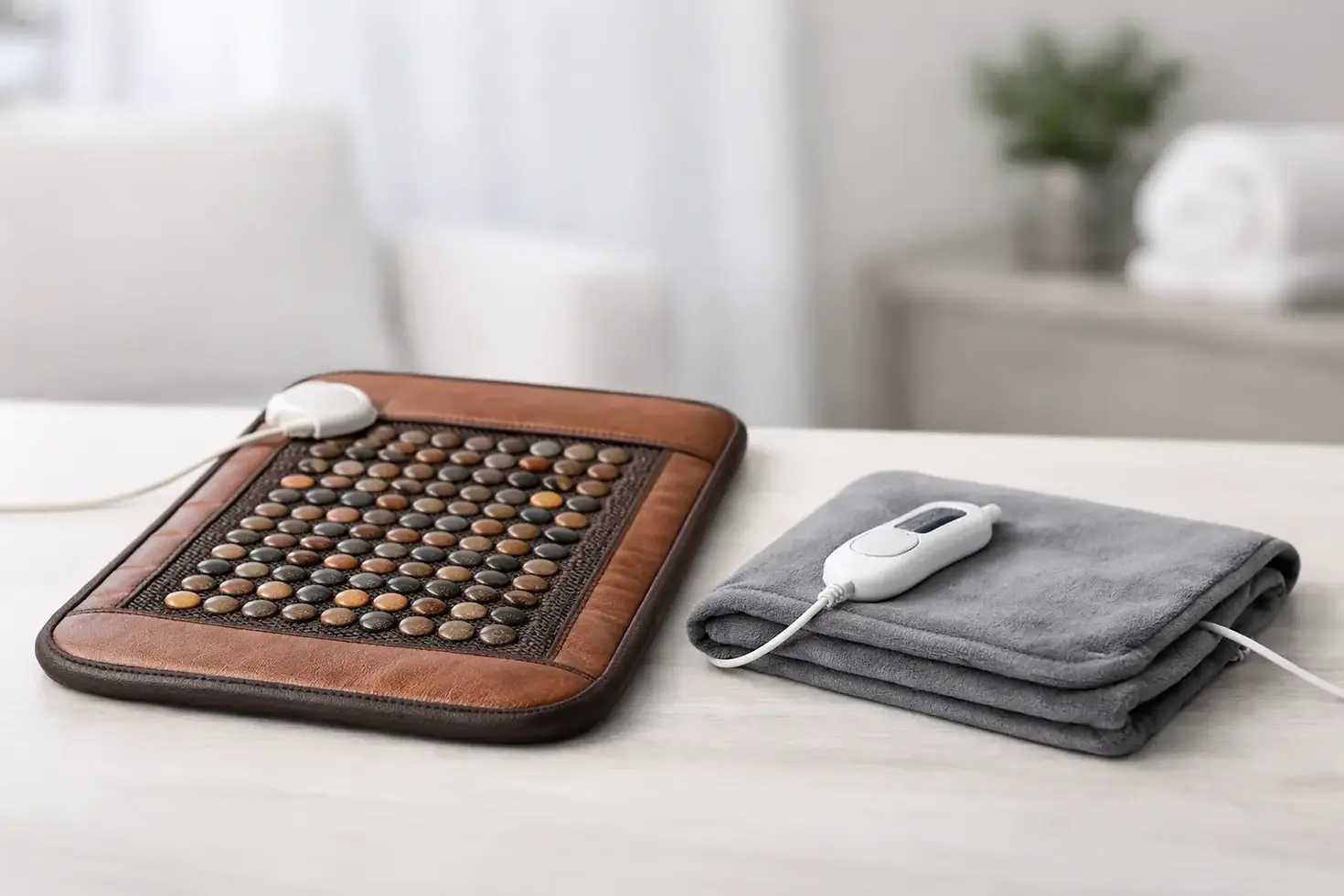
Infrared Mat vs Heating Pad: What Fits Best?
If you have ever used a standard heating pad for a sore back and thought, this helps for now but does not do much beyond the surface, you are already asking the right question. The real difference in infrared mat vs heating pad comes down to how the heat is delivered, how the body experiences it, and what kind of daily wellness routine you want to build around it.
A heating pad is familiar, affordable, and easy to grab when your neck tightens up or your lower back starts complaining. An infrared mat is a different category. It is designed for full-body or larger-area use, longer sessions, and a more immersive experience that many people turn to for relaxation, temporary pain relief, stress reduction, and better recovery support. If you are deciding between the two, the best choice depends on whether you want quick spot treatment or a deeper wellness tool you will use regularly.
Infrared mat vs heating pad: the core difference
A traditional heating pad creates conductive heat. In simple terms, the pad gets hot, and that surface heat transfers into the area touching it. That can feel soothing fast, especially for muscle tension, cramps, or stiffness. It is convenient and familiar, which is why so many households keep one nearby.
An infrared mat works differently. Instead of only warming the surface, it uses far infrared heat technology to radiate warmth into the body more gradually. Premium models may also incorporate materials such as amethyst and support features like negative ion output, which are part of the broader wellness appeal. The result is usually a gentler, more enveloping heat experience that many users describe as more penetrating and restorative than a standard pad.
That does not mean one is always better. It means they serve different purposes. If you want a basic device for a short burst of warmth on one body part, a heating pad may be enough. If you want a more complete recovery and relaxation experience, an infrared mat often makes more sense.
How the heat feels in real life
This is where the comparison becomes more practical than technical. A heating pad often feels hot quickly. That immediate sensation is part of the appeal. When your shoulder is tight or your knee feels stiff, quick heat can be comforting.
An infrared mat usually builds warmth more gradually. For some people, that slower onset feels more natural and less aggressive. Instead of simply heating the skin, the session often feels like the body is warming from within over time. That difference matters if you are sensitive to high surface heat or if you want to lie down and relax for 20 to 45 minutes without constantly adjusting the pad.
For everyday wellness users, comfort is not a small issue. If a device is pleasant enough to use consistently, it is far more likely to become part of your routine. That is one reason many people eventually move beyond standard heating pads and start looking at premium infrared options.
When a heating pad is enough
A heating pad still has a clear place. If you need a low-cost option for occasional use, it does the job. It is especially practical for isolated discomfort in a small area, such as menstrual cramps, a sore neck after travel, or mild lower back tightness after yard work.
It is also easier to store, easier to carry around the house, and usually cheaper by a wide margin. For someone who wants simple heat and does not care about added features, that can be reason enough.
The trade-off is that most heating pads are built for short, surface-level comfort rather than a broader therapeutic experience. They are not usually the product people invest in when they are building a serious home wellness setup. They are more of a quick-fix tool than a long-term lifestyle product.
When an infrared mat makes more sense
An infrared mat is often the better fit when discomfort is recurring rather than occasional. If you are dealing with ongoing muscle tension, joint stiffness, stress, poor sleep, post-workout soreness, or the need for regular recovery sessions, a mat offers a wider range of use.
It also works better for people who want more than targeted heat. Lying on a full-size or extended mat can support the back, hips, shoulders, and legs in a single session. That matters if your discomfort is not isolated to one small spot or if you simply want full-body relaxation at the end of the day.
For wellness-minded buyers, the value of an infrared mat is often in the overall experience. You are not just warming one area. You are creating a ritual around rest, temporary relief, and recovery. That difference is why premium mats appeal to people who have already tried generic heat products and want something more effective and more satisfying to use.
Infrared mat vs heating pad for sleep, stress, and recovery
This is where the gap often widens. A standard heating pad can certainly help you unwind, but it is usually not designed as a full-body relaxation platform. An infrared mat is much closer to that. Because sessions tend to be longer and more immersive, users often include them in evening routines to settle the nervous system, loosen the body, and prepare for sleep.
The same goes for recovery. If you are active, dealing with chronic tension, or trying to support healing after physical strain, the broader coverage of an infrared mat can be far more useful than shifting a small heating pad from one area to another.
It depends, of course, on how you plan to use it. If your only goal is warming a cramped calf once in a while, an infrared mat may be more than you need. But if you want a wellness product that supports rest, comfort, and body recovery on an ongoing basis, the mat starts to justify its higher price.
The price question is real
For many buyers, the biggest hurdle is not understanding the difference. It is deciding whether the difference is worth paying for.
Heating pads are inexpensive. Infrared mats are not. A premium infrared mat is an investment product, and it should be evaluated that way. The smarter question is not whether it costs more. It is whether you will use it enough to make that cost worthwhile.
If you use heat once a month, probably not. If you use heat four or five times a week for discomfort, recovery, or sleep support, the math changes. A high-quality infrared mat can become one of the most-used wellness tools in the home, especially for couples, older adults, athletes, and anyone committed to non-drug support options.
This is also where product quality matters. Not all infrared mats are equal, and buyers who are serious about long-term value usually look for established technology, warranty support, repair options, and guidance before purchase. That is part of what separates a premium wellness retailer from a generic marketplace listing.
Which option is better for your lifestyle?
If you want portable, cheap, and simple, a heating pad wins. There is no need to overcomplicate that.
If you want a premium home wellness tool that can support relaxation, temporary pain relief, improved recovery, and a more restorative daily routine, an infrared mat has a clear advantage. It asks for a bigger upfront commitment, but it also offers more in return.
For many households, this is not really an either-or decision forever. People often start with a heating pad because it is familiar. Then, after years of using basic heat for recurring discomfort, they realize they want something more complete. That is usually the point where the infrared category starts to make sense.
How to choose without second-guessing yourself
Start with your actual pattern, not your best-case fantasy. Are you shopping for occasional aches, or are you looking for a dependable part of your daily wellness routine? Do you need small-area convenience, or do you want full-body support? Are you trying to spend as little as possible, or are you trying to buy the better tool once and use it for years?
If your needs are light and occasional, a heating pad is practical. If your needs are ongoing and you care about deeper comfort, recovery, and a more elevated heat experience, an infrared mat is usually the more satisfying choice.
That is why so many wellness-conscious shoppers eventually choose a specialized option from a trusted source like BioMat Canada rather than settling for another basic heat product. When the goal is not just warmth, but meaningful daily support, the right tool changes the experience.
The best choice is the one you will actually use, look forward to using, and feel good about bringing into your routine long after the first sore muscle fades.


Comments